
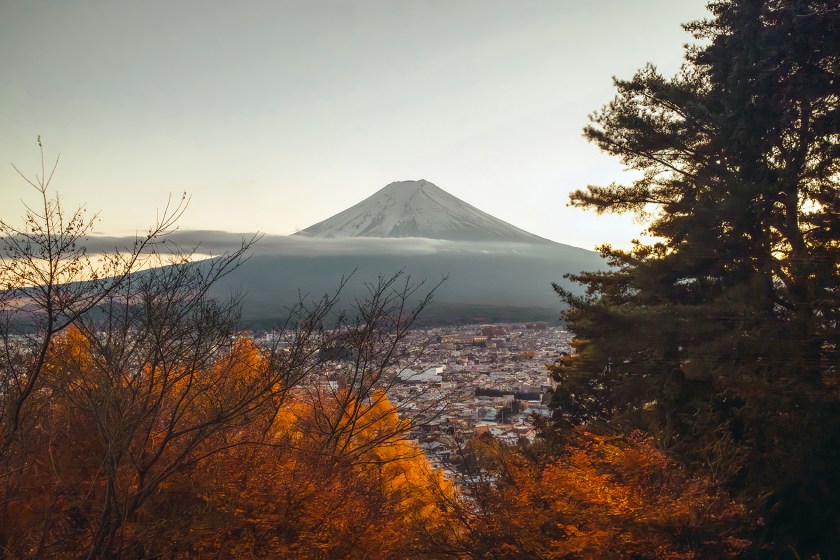
One of my bucket lists is to be able to visit and see Mt Fuji. It has always been a dream of mine. As a photo enthusiast, I have always wanted to capture the majestic symbol of Japan through my lens. Mt. Fuji is an active volcano about 100 kilometers southwest of Tokyo. Commonly called “Fujisan,” it’s the country’s tallest peak, at 3,776 meters. It is approximately 2.5 hrs away from Tokyo.
Visiting Mt Fuji has been described by a lot of seasoned travelers as a hit or miss because you are never assured of a clear view of Mt Fuji. The best time to visit is between spring (April-May) and autumn (October-November) for the most beautiful scenery and mild weather. But for the best visibility, it is best during the winter months of November-February which also offers unique wintry landscape. Yet the chances of being able to see an unobstructed view of Mt Fuji is dependent on the weather condition of the day of visit. We had friends who traveled there a week or so before us. They left disappointed because it was completely covered with clouds the entire time they were there. A month before our trip to Tokyo, I started monitoring the long-term weather conditions around Mt Fuji. Initially, the weather report forecasted rain and clouds. This was on the day we were supposed to be there. But thankfully, on the week of our travel, the weather system cleared up.
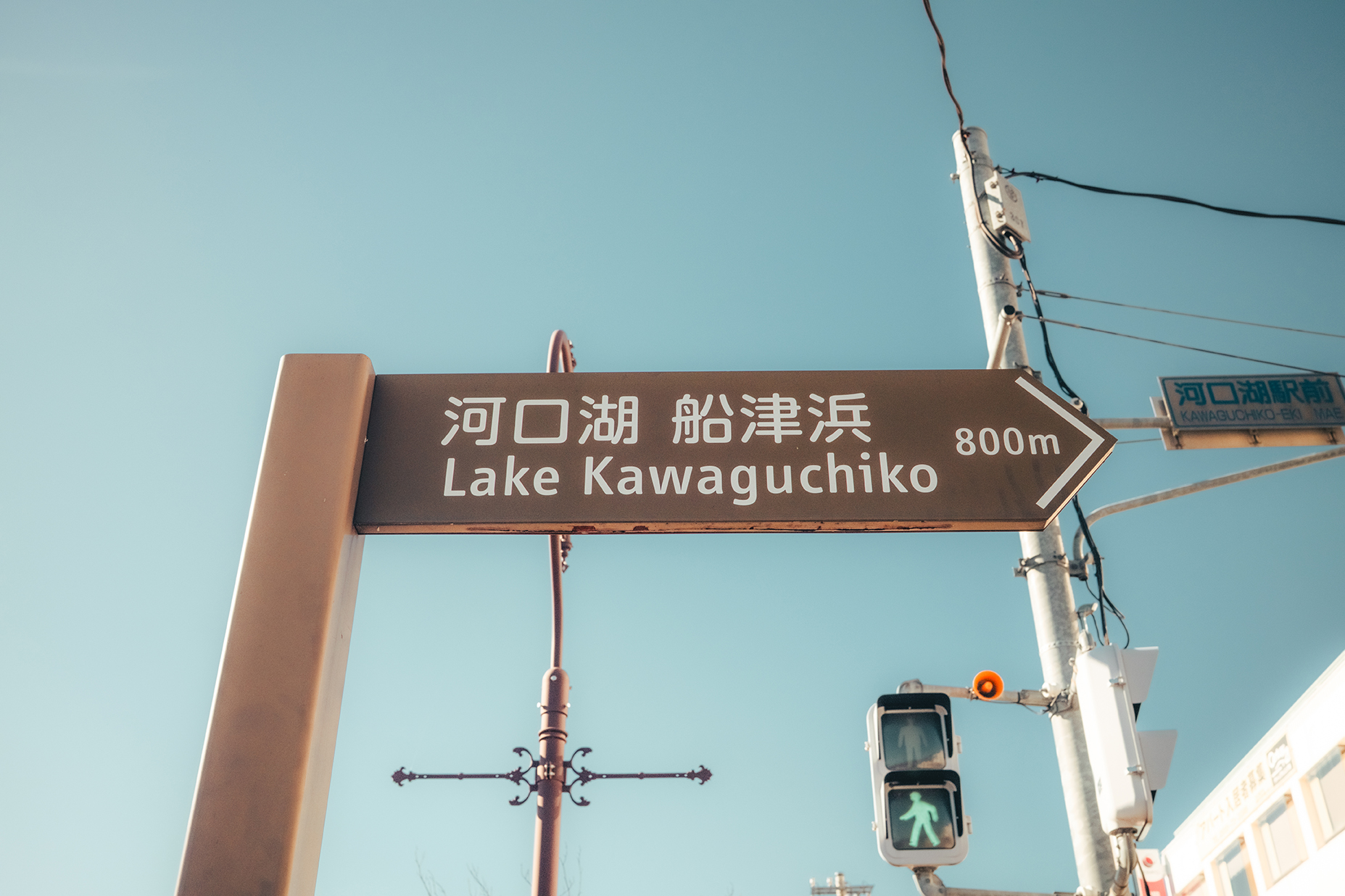
Kawaguchiko is the most popular gateway to visiting Mt Fuji. We booked ourselves seats on the highway bus from Shinjuku to Kawaguchiko and decided to stay overnight for us to be able to leisurely walk around and increase our chanced of seeing Mt Fuji unobstructed. We arrived around noon at a packed Kawaguchiko station, deposited our luggage at the station rental locker and had a quick onigiri lunch. We, then bought train tickets for the 15-20min train ride to the Shimo-Yoshida station to get to the Churieto Pagoda inside Arakuyama Sengen Park.

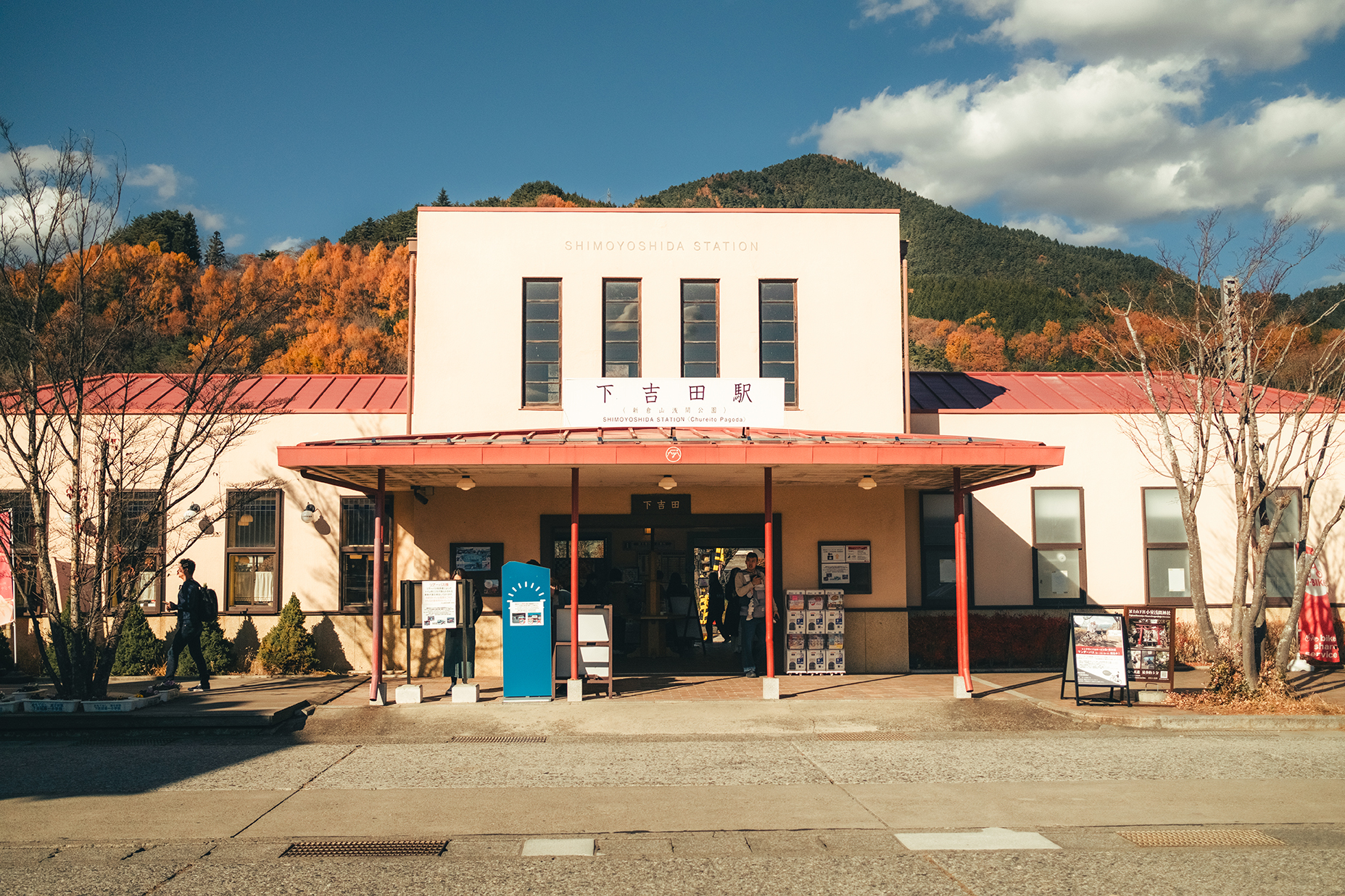

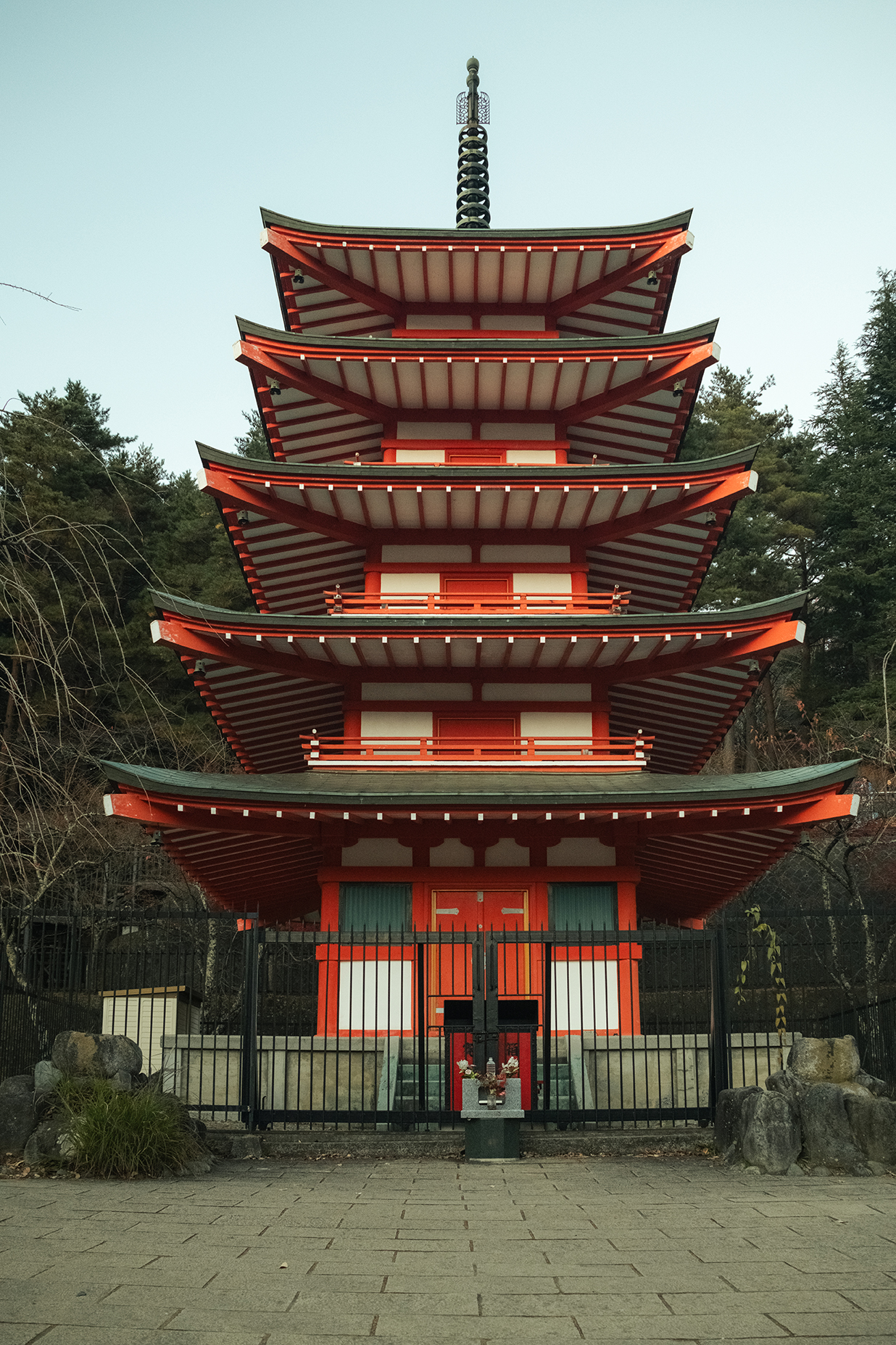
The Churieto Pagoda is a 5-storey pagoda and is probably one of the most iconic and most photographed sites for Mt Fuji. To reach the pagoda, we needed to climb 398 stone steps. Despite the cold winter weather, I was sweating profusely and puffing upon reaching the top.


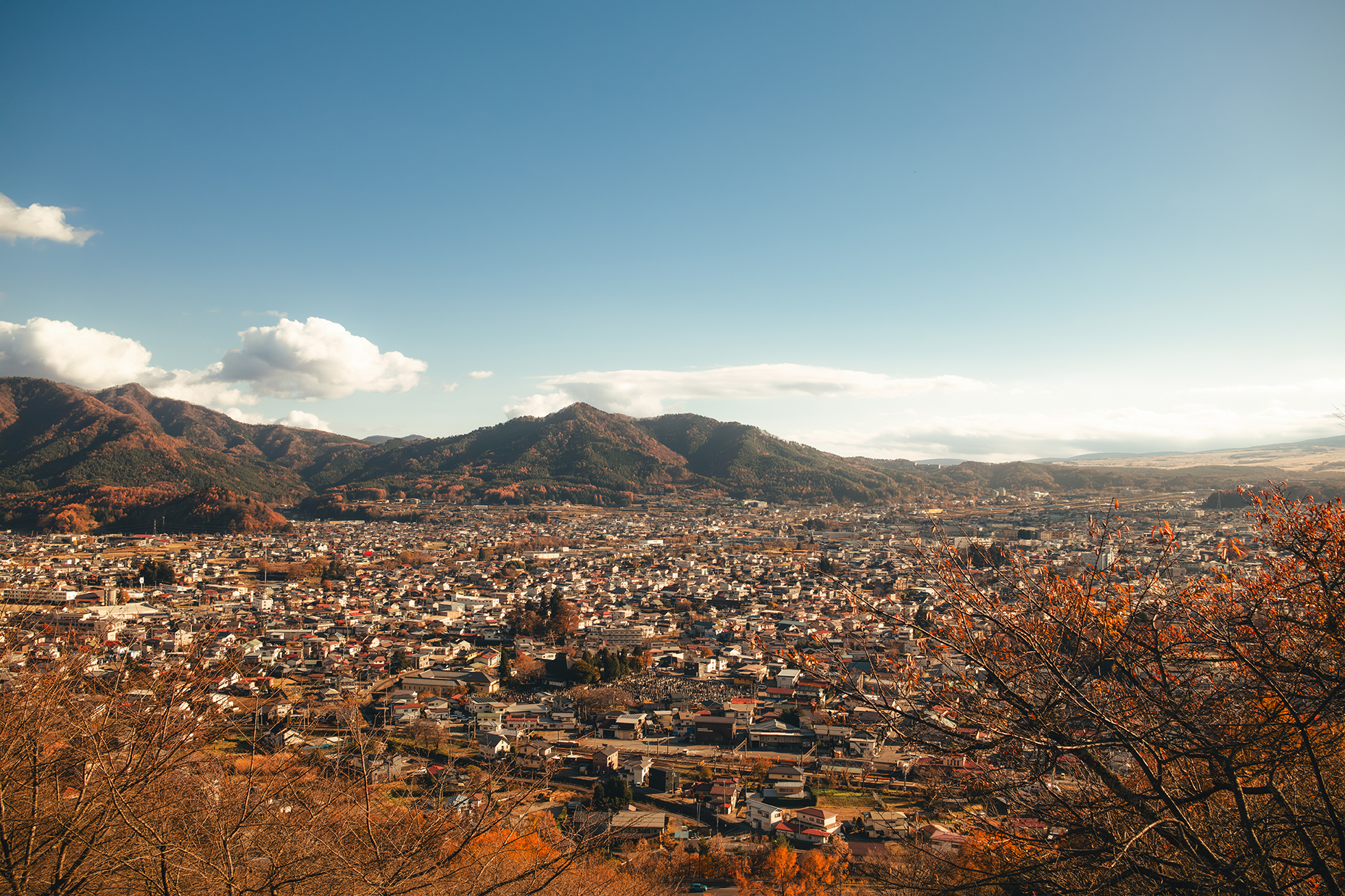
In hindsight, I realized I could have planned this a little bit better and visit the pagoda early in the morning instead of noon time. The sun was directly overhead and there was a huge cloud formation that partially covered Mt Fuji. I was a bit disappointed because I couldn’t get a clear shot of Mt. Fuji. Not only was the view obstructed by the clouds, but the observation deck was also packed with tourists. I had to squeeze myself in between people just to position myself properly. My lovely wife sensing my disappointment, offered to accompany me back the next day to see if the conditions will improve or not. But as I observed the direction of the wind and movements of the cloud, I saw that it might be clear in a couple of hours. My wife suggested we just wait it out and spend the afternoon there since we didn’t have anything else on our agenda for the day. So, we spent a total of close to 4 hours there at the observation deck. Our patience was rewarded, the clouds almost cleared away completely near sunset (around 4:30pm) and I was able to witness the breathtaking sunset at Mt Fuji. I couldn’t have scripted it better, the golden hour plus the red and golden autumn leaves still on the trees gave me awesome opportunities to capture what I consider some of my most treasured shots for the whole trip.
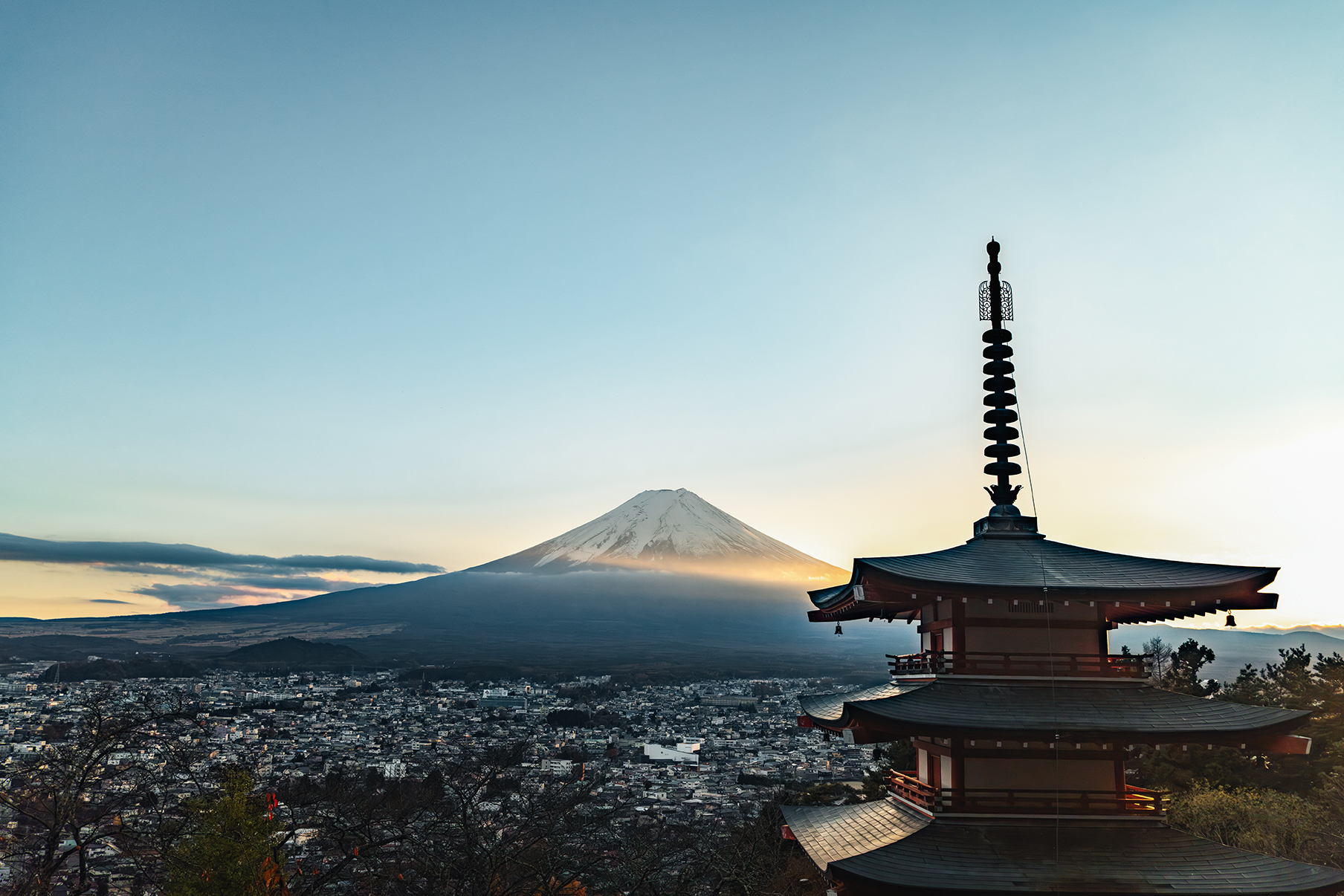


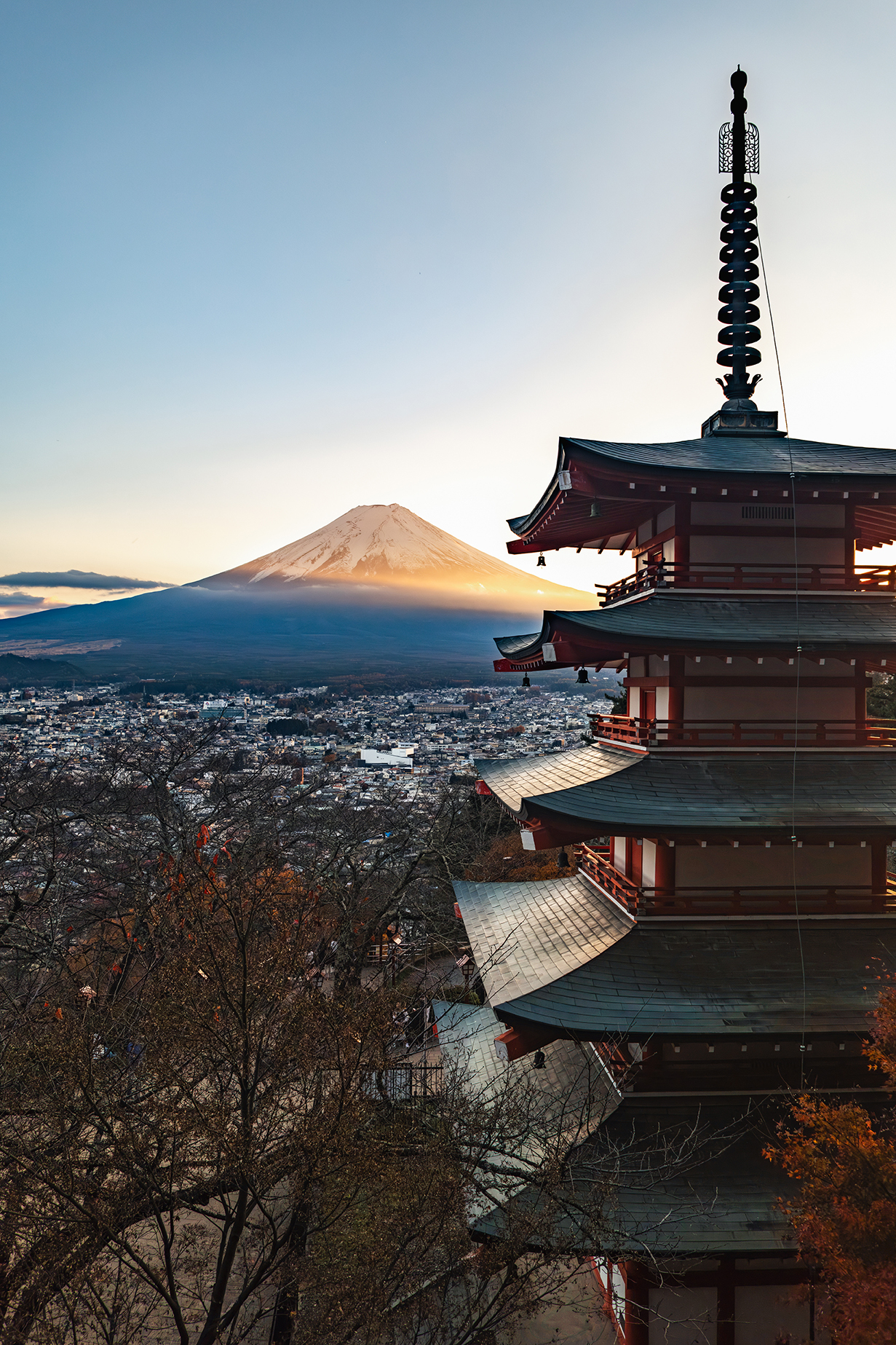
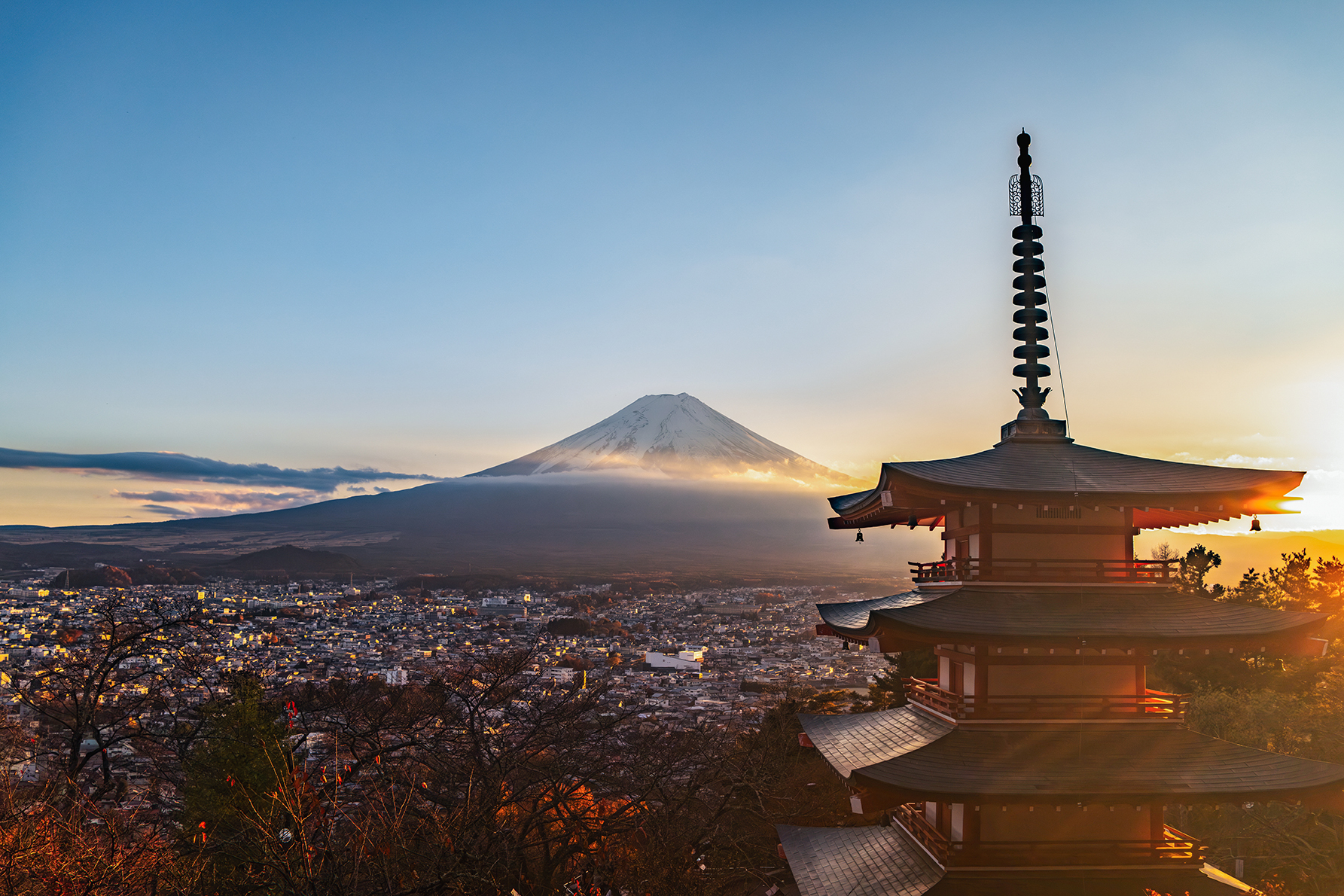

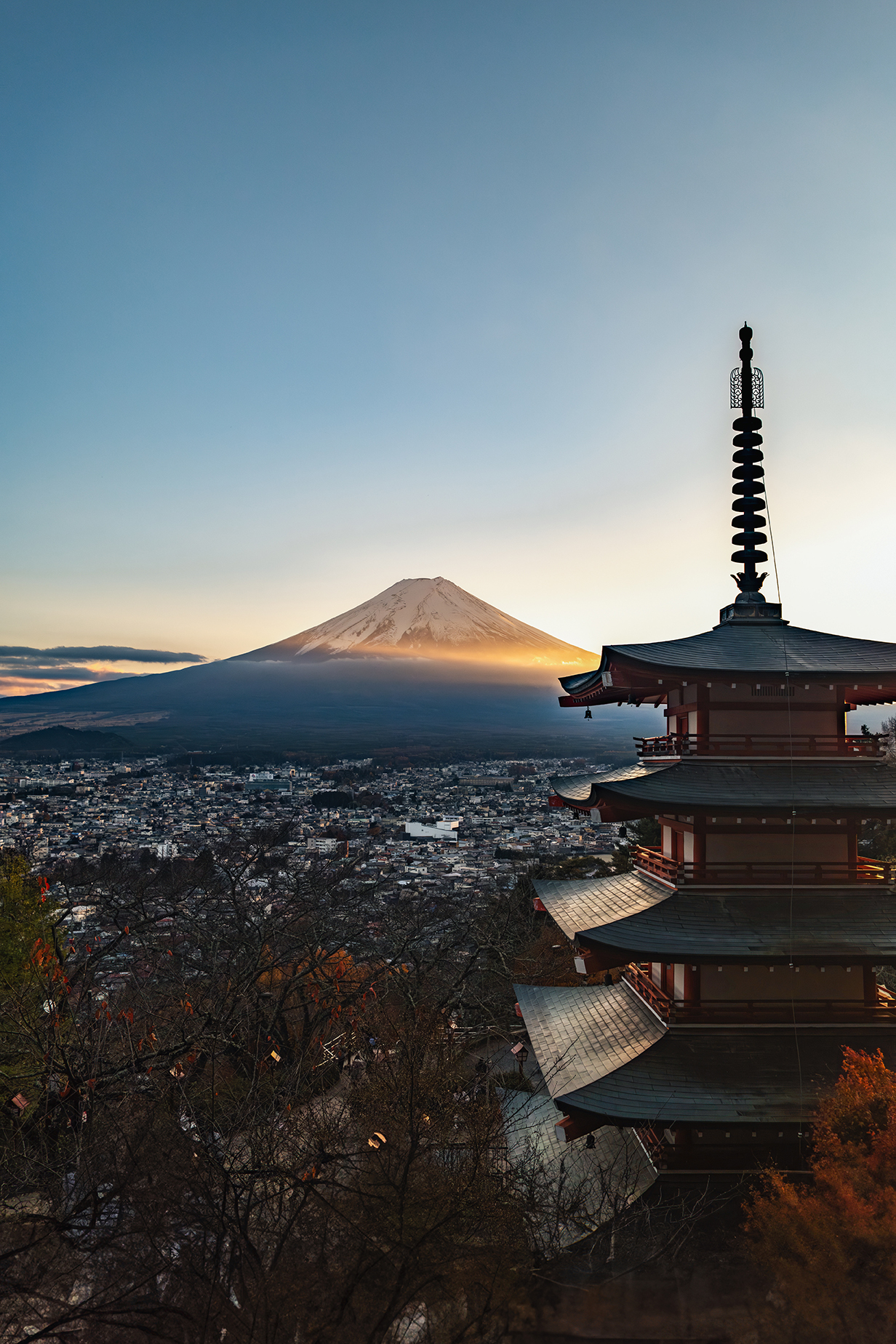

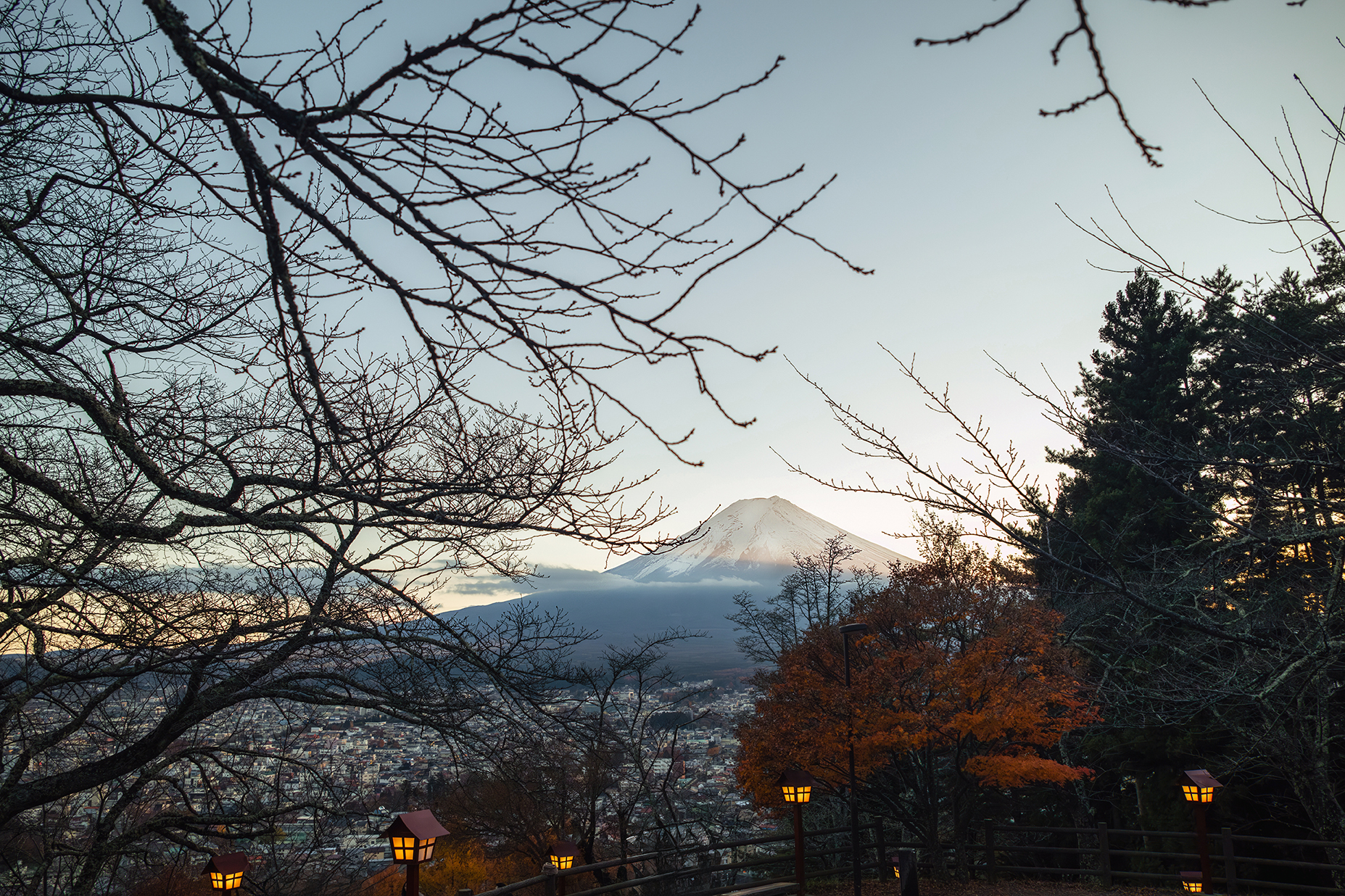


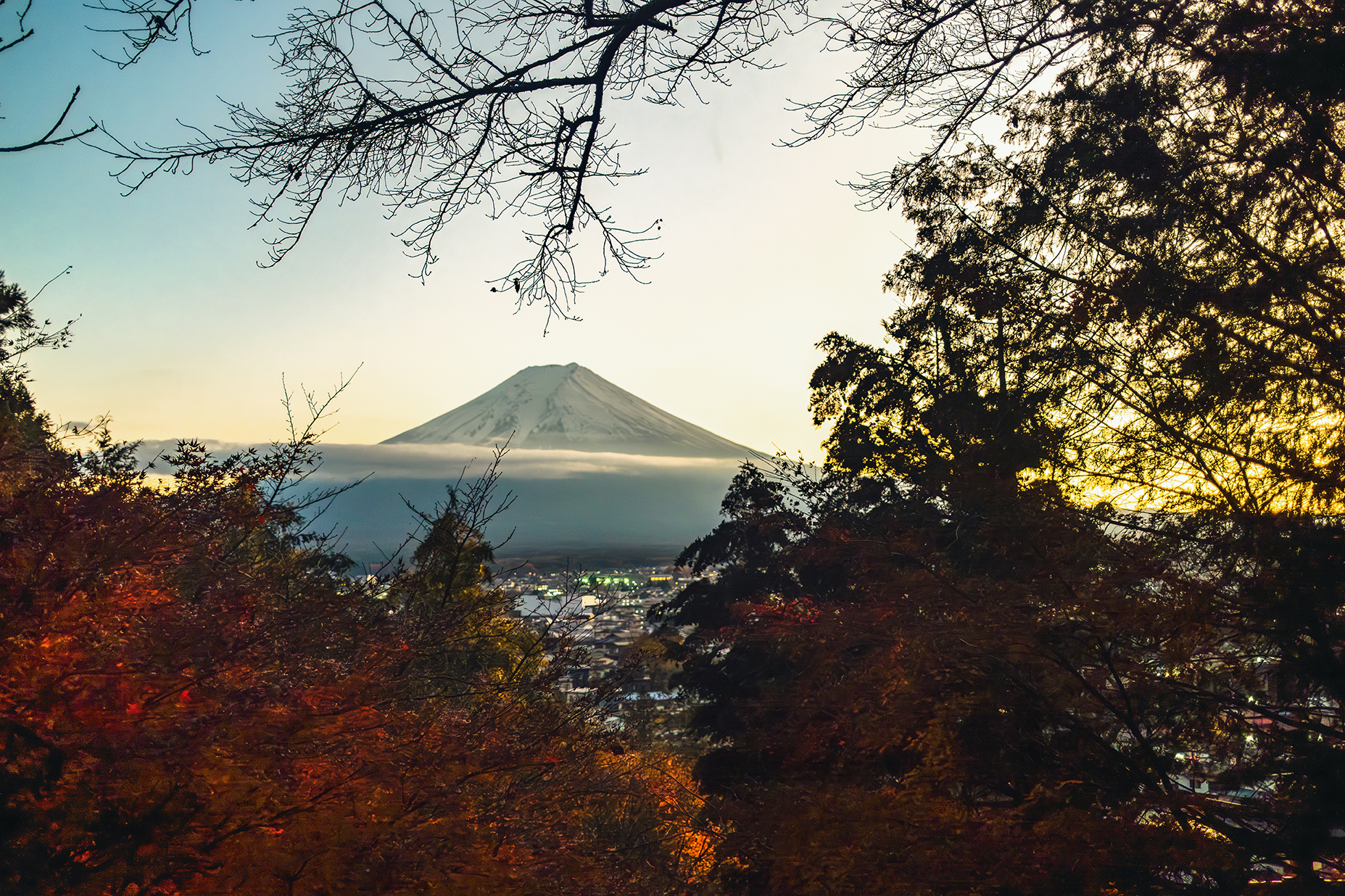
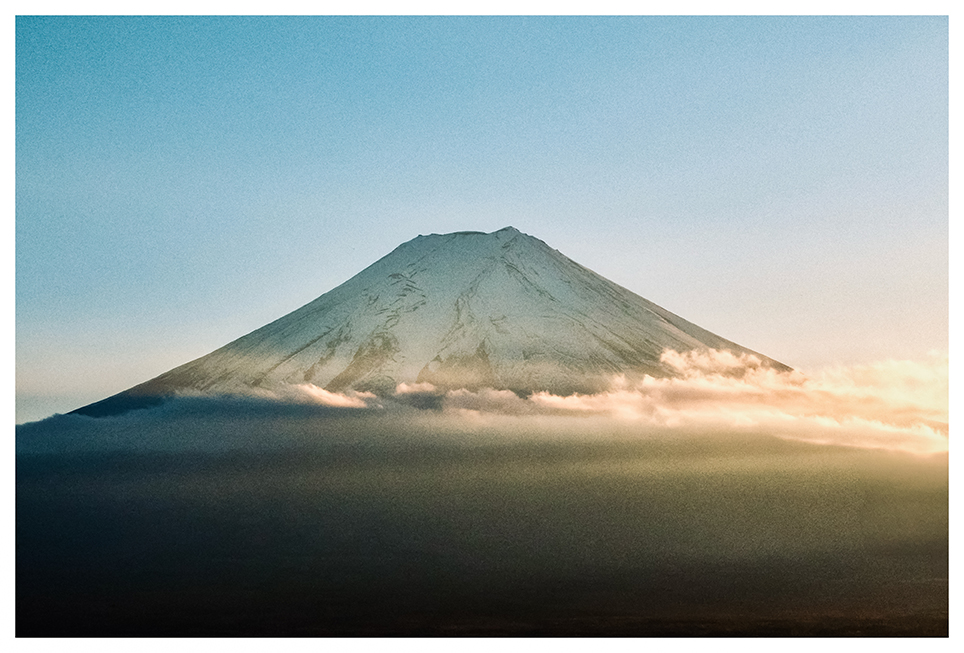
After taking all the photos, I want (several hundreds of them), we climb back down the steps and walked back to the station for our train ride back to Kawaguchiko. As we arrived there, it was nearly dark, and it was freezing. There were no taxis also and the only way to reach the hotel we booked by the lake was to walk there in the dark with our luggage. It took close to 30 mins for us to reach our hotel. There was no restaurant in the hotel so after we checked in, we walked out in search for food. The hotel manager gave us choices, an izakaya 750m away or several other restos open at that hour but 1.5km -2km away. We choose the izakaya since it was the closest, we had a slow leisurely stroll back to the hotel to call it a day.

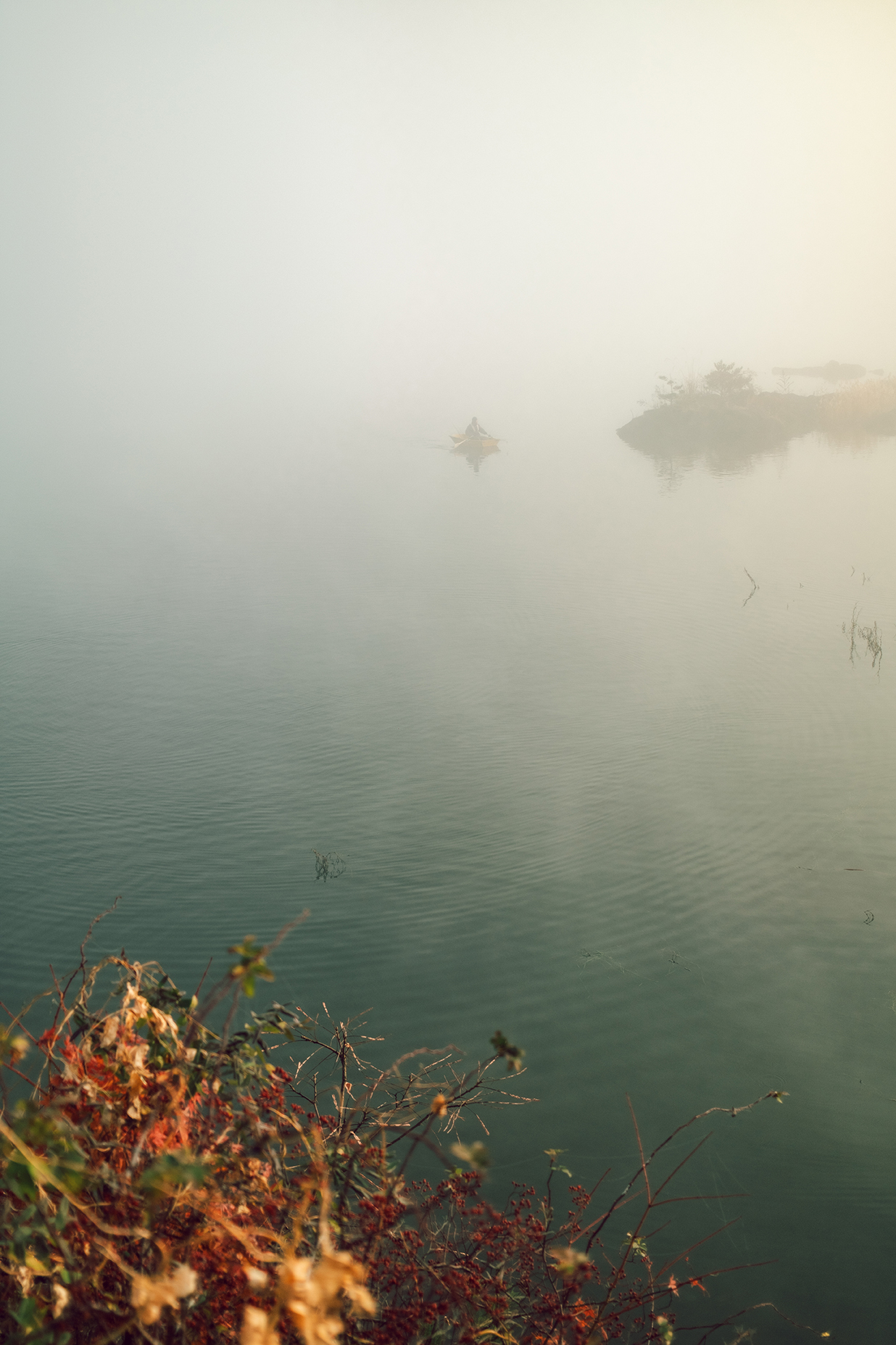
We woke up early and checked out of the hotel around 6am. While waiting for our transport back to the train station, we strolled around the lake and the hotel grounds. The whole area was covered in a thick fog, and it was cold. But it made for a nice, serene and peaceful setting. Even when we arrived at the station, there was still a thin layer of fog which gave aa surreal view of Mt Fuji with a wonderful diffused soft lighting.




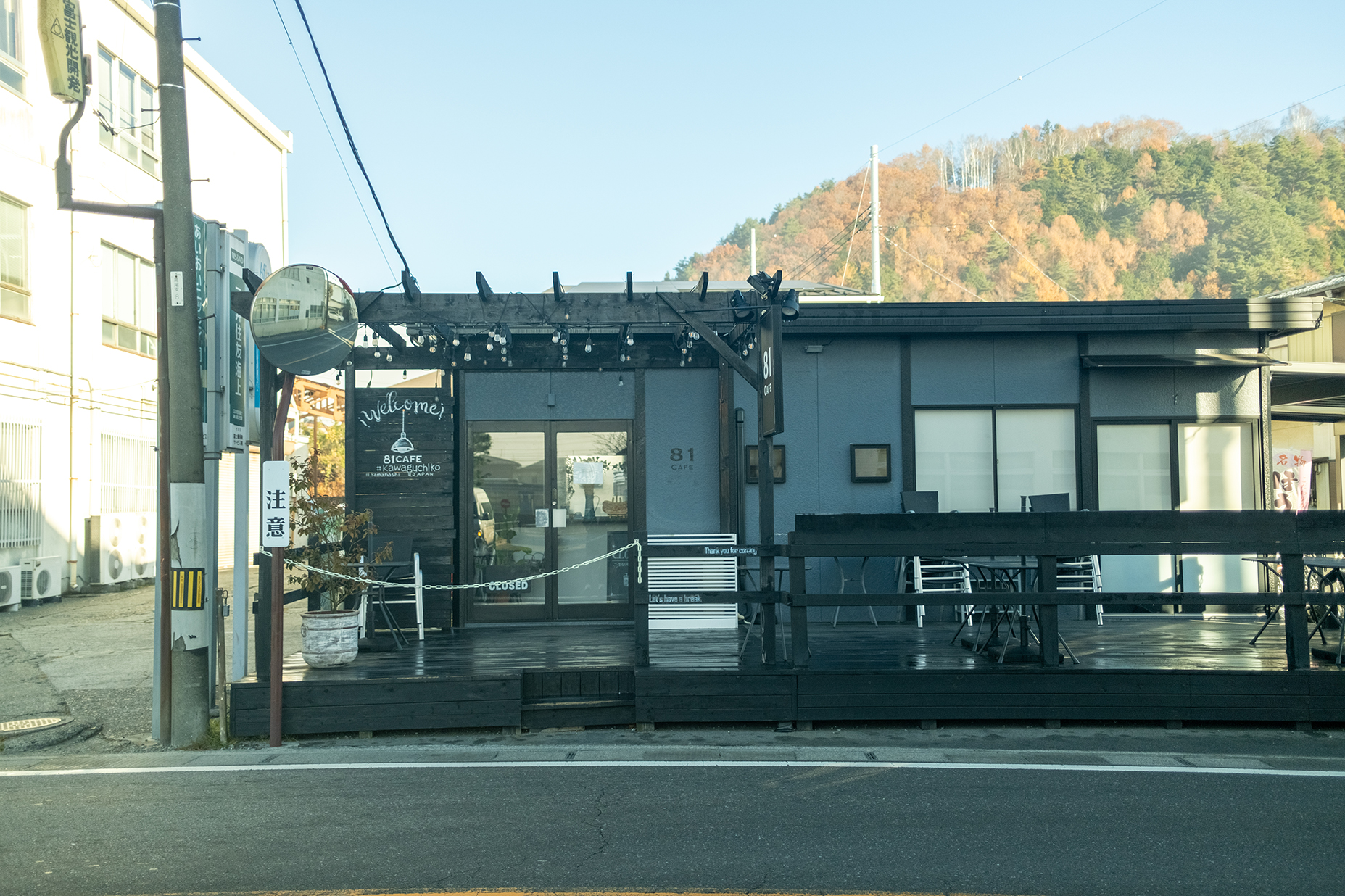
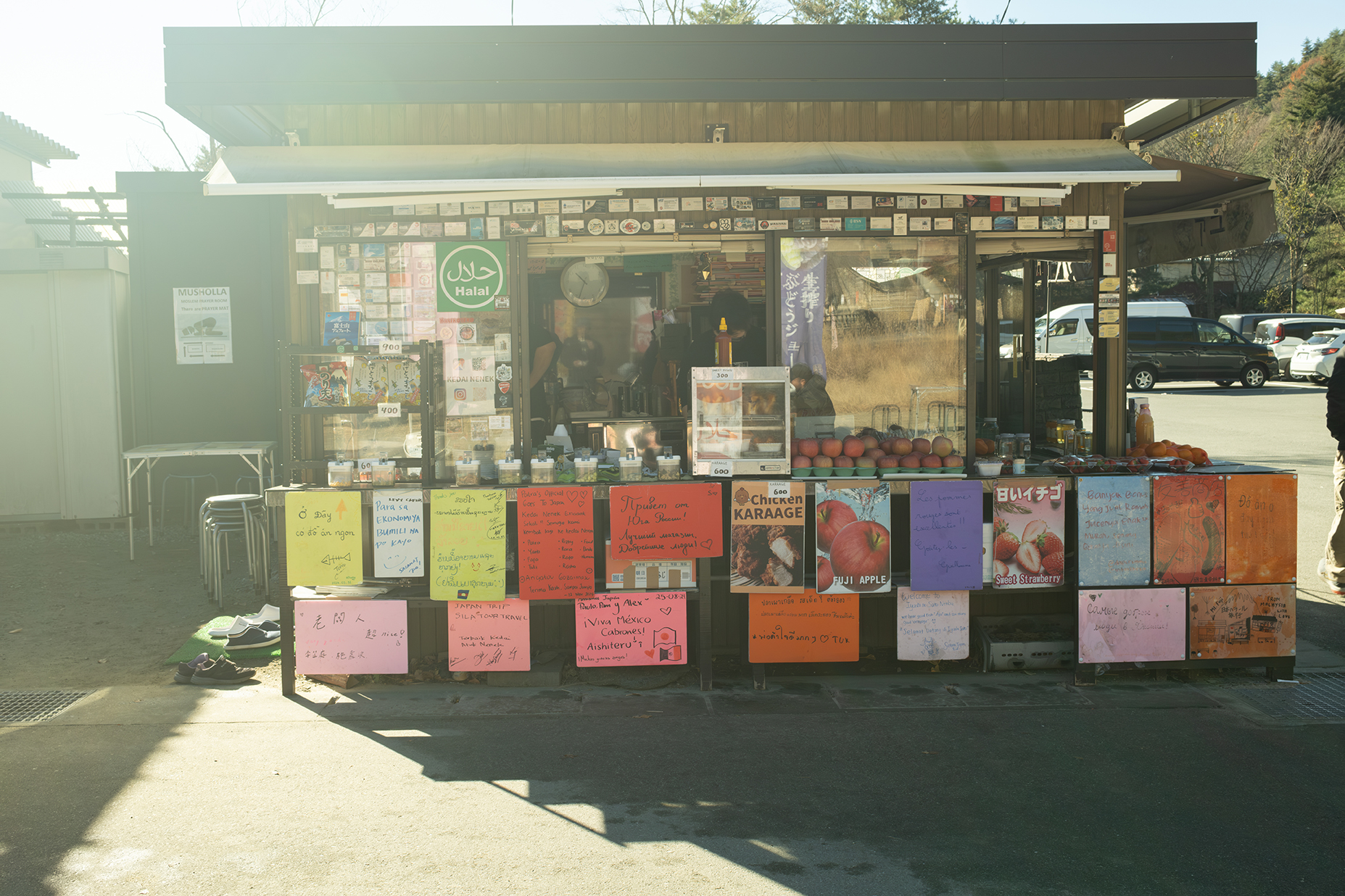
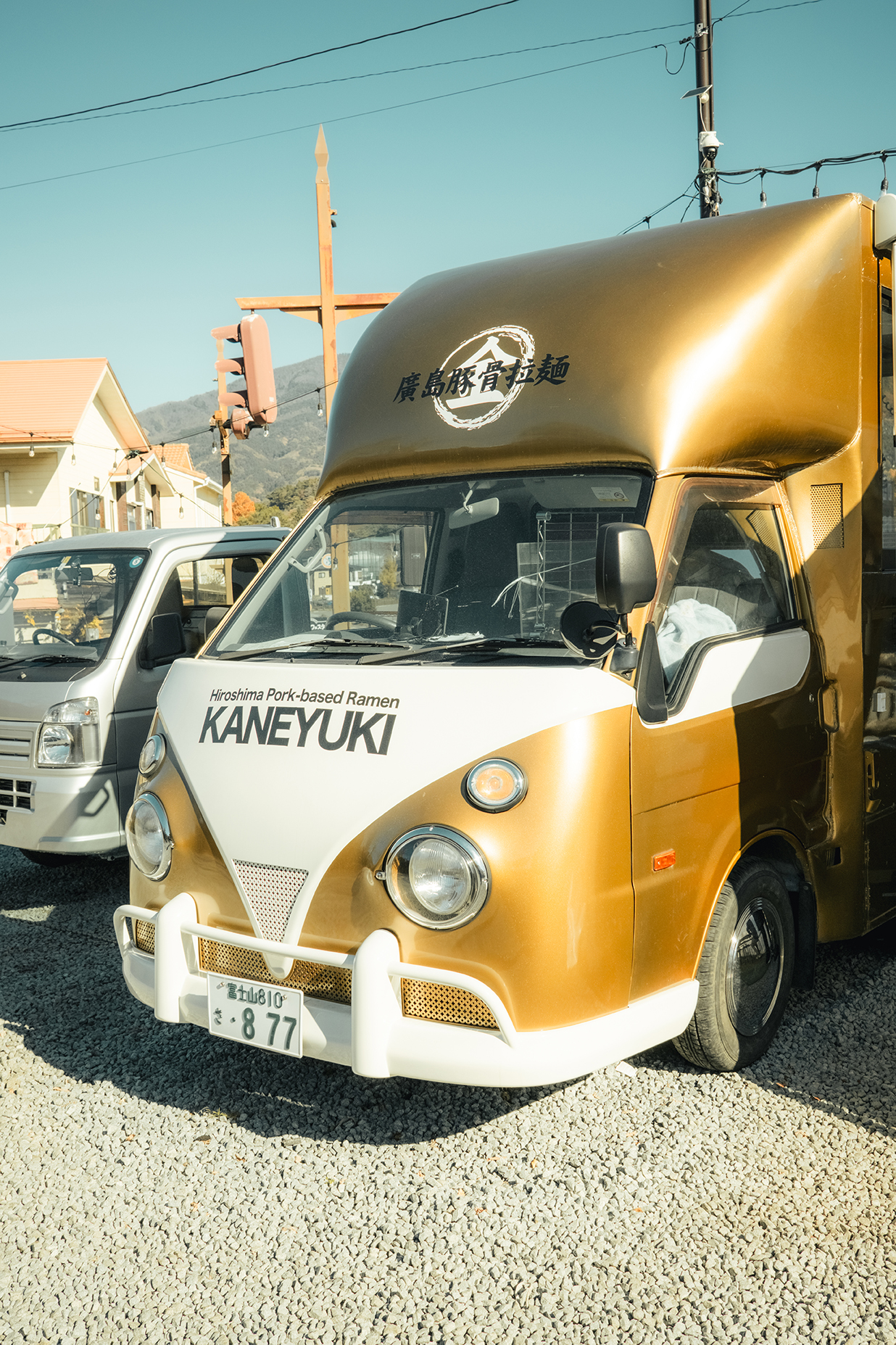
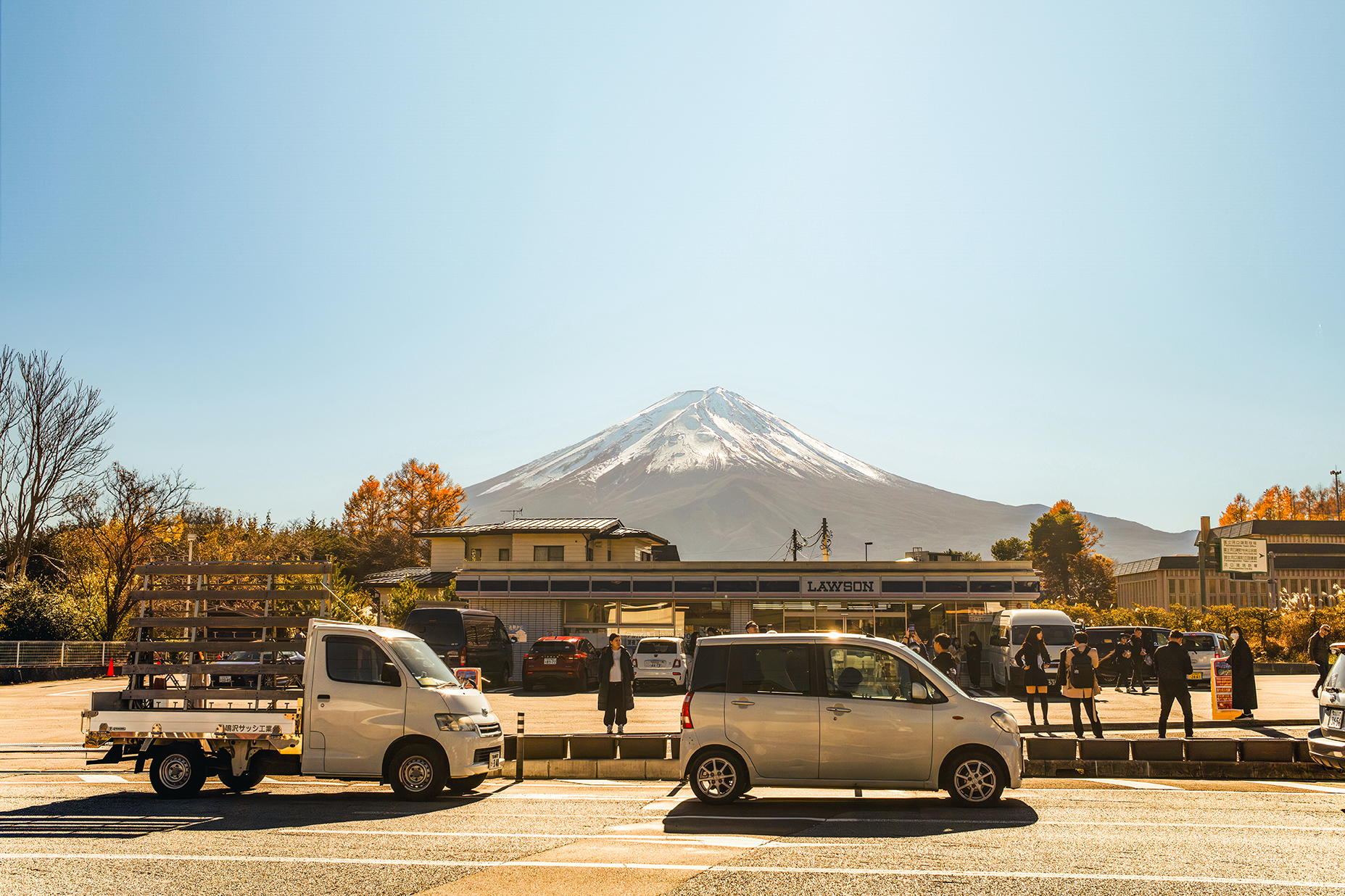
Because our return trip back to Shinjuku wasn’t until late afternoon, we availed of the hop on /hop off tourist bus there to visit other attractions. We decided to have lunch at a food truck that serves delicious ramen and had a 3km stroll to take photos around town including the famous Lawson stores (2 of them, in fact) with Mt Fuji in the background. One thing about Mt Fuji that I forgot to mention til now, is that it is MASSIVE. I always seen photos and video of Mt Fuji but it has never occurred to me that it is that big. Its presence is seen and felt all throughout the town. As the day progressed, the sun dissolved all the fog, and I was able to see Mt Fuji in all its majesty. I praise God for His wonderful handiwork. Truly a breathtaking sight.







Side note: I can’t say enough about the convenience of our hotel’s location in Shinjuku. We stayed at Hotel Sunroute Plaza which was a mere 5 mins walk away from Shinjuku station. This made it so convenient for us to travel to Kawaguchiko and Nikko as most tour buses and trains depart from there, it also offers us a hassle-free travel from and back to Haneda Airport, with the airport limousine bus dropping us off directly at the hotel and vice-versa.
This concludes my Tokyo series blog. It was truly a blessed time for my wife and I to just chill, bond, converse and enjoy the sights and food of Tokyo, Mt Fuji and Nikko. All photos taken on this trip were with the Fuji X100VI with the WCL and TCL when the situation calls for it. All the photos for the whole trip were taken in JPG + RAW but I never touched the RAW files. All photos uploaded were JPG (except the Mt Fuji shots, all of which were all processed from the RAW files in LR Classic) and 99% of them straight from the camera using the Kodak Portra 400 film recipe.
Thank you for visiting. Please do like, comment and share as it helps me to reach out to a greater audience. God bless . 🙂
 Daniel's Lighthouse