
Returning to Film Photography
It has been quite some time since I last used film for photography. There was a period, lasting around two to three years, when I owned a variety of film cameras—from rangefinders to TLRs and SLRs—and shot almost exclusively with film. Eventually, I sold off nearly all my analog cameras and found myself returning to digital photography. While I do not intend to romanticize shooting with film, there truly is something unique about the experience. Working with film is a slower, more mindful process that requires deliberate action. Unlike digital photography, there is no immediate review or option to delete a photo after taking it; the only preview available is what you envision in your mind before pressing the shutter button. Additionally, the rising costs of film and developing in recent years have made it even more important to be intentional with each shot.
Despite significant advancements in digital camera technology—offering lifelike colors, sharp images, and a fast-paced shooting experience—many photographers still feel drawn to the film aesthetic. Some use cameras with built-in filters or image recipes to emulate the film look straight out of camera, while others apply Lightroom presets to their digital images to achieve a similar analog style. However, even with these technological advances and editing tools that attempt to bridge the gap, there remains a distinct difference between a true film photograph and a digital image edited to look like film.
Searching for a Compact Film Camera
I mentioned to my son that I miss shooting with film, and began searching for a quality point-and-shoot film camera. As much as I miss my interchangeable lens rangefinders, TLRs, and SLRs, I am currently in a phase where portability and pocketability are just as important to me as image quality. Initially, I considered the Contax T2, a highly regarded camera, but its steep, eye watering price made it an impractical choice.
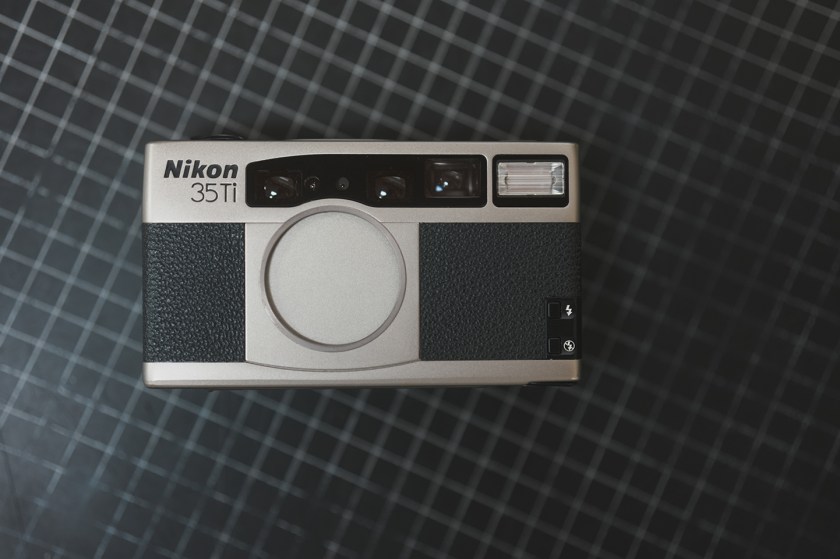
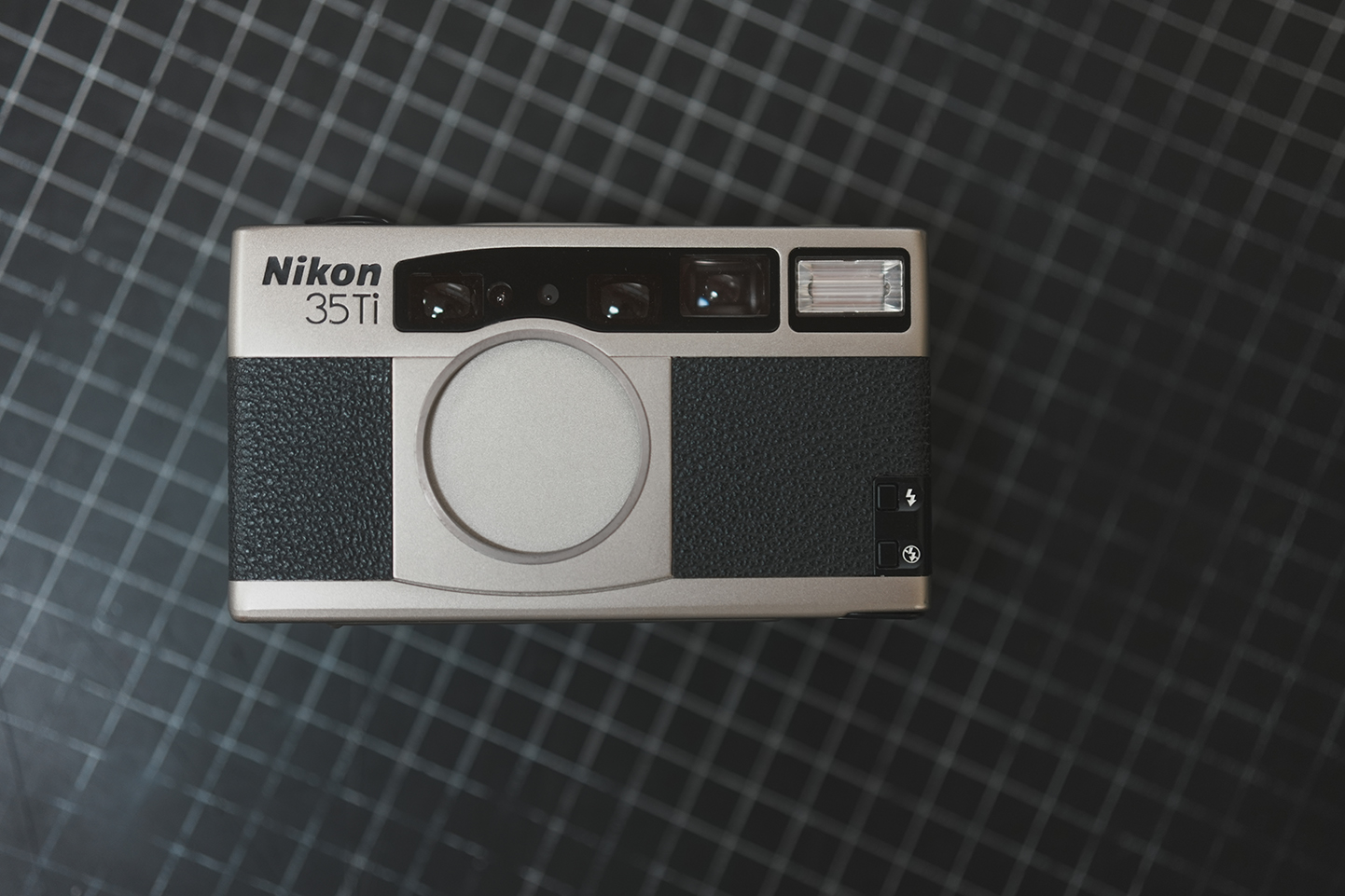
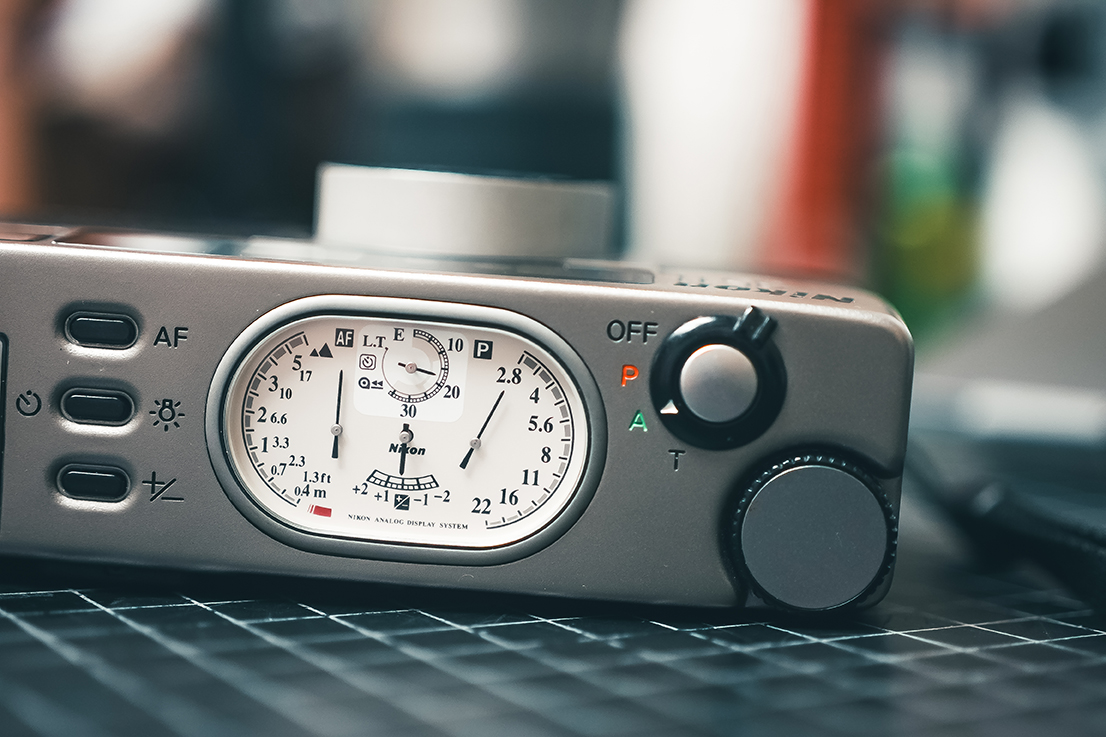
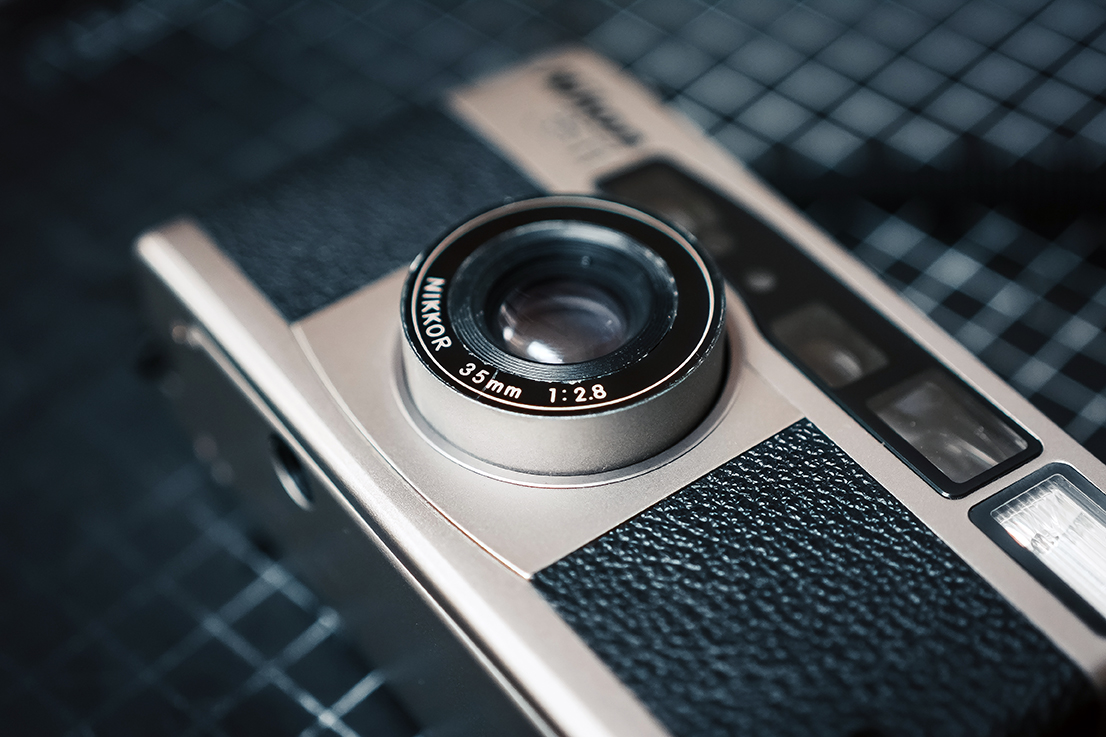
Another option was the Nikon 35Ti, a premium titanium-bodied point-and-shoot camera released in 1993 as Nikon’s answer to the Contax T2. Nikon aimed to set the 35Ti apart as a luxury camera with features such as a distinctive top-mounted analog display designed like a watch face, advanced 3D matrix metering, aperture priority, and rapid autofocus—making it well-suited for street and travel photography. The analog display on the top of the camera provides all shooting information, including aperture, focusing distance, number of exposures, and exposure compensation.
Unlike the Contax T2, the Nikon 35Ti did not receive as much hype from influencers, which meant its price, though still high, remained more reasonable. I recently found a Nikon 35Ti in good condition at a fair price and decided to purchase it. I look forward to capturing some worthwhile photos with this camera.
Initial Test Shots and Observations
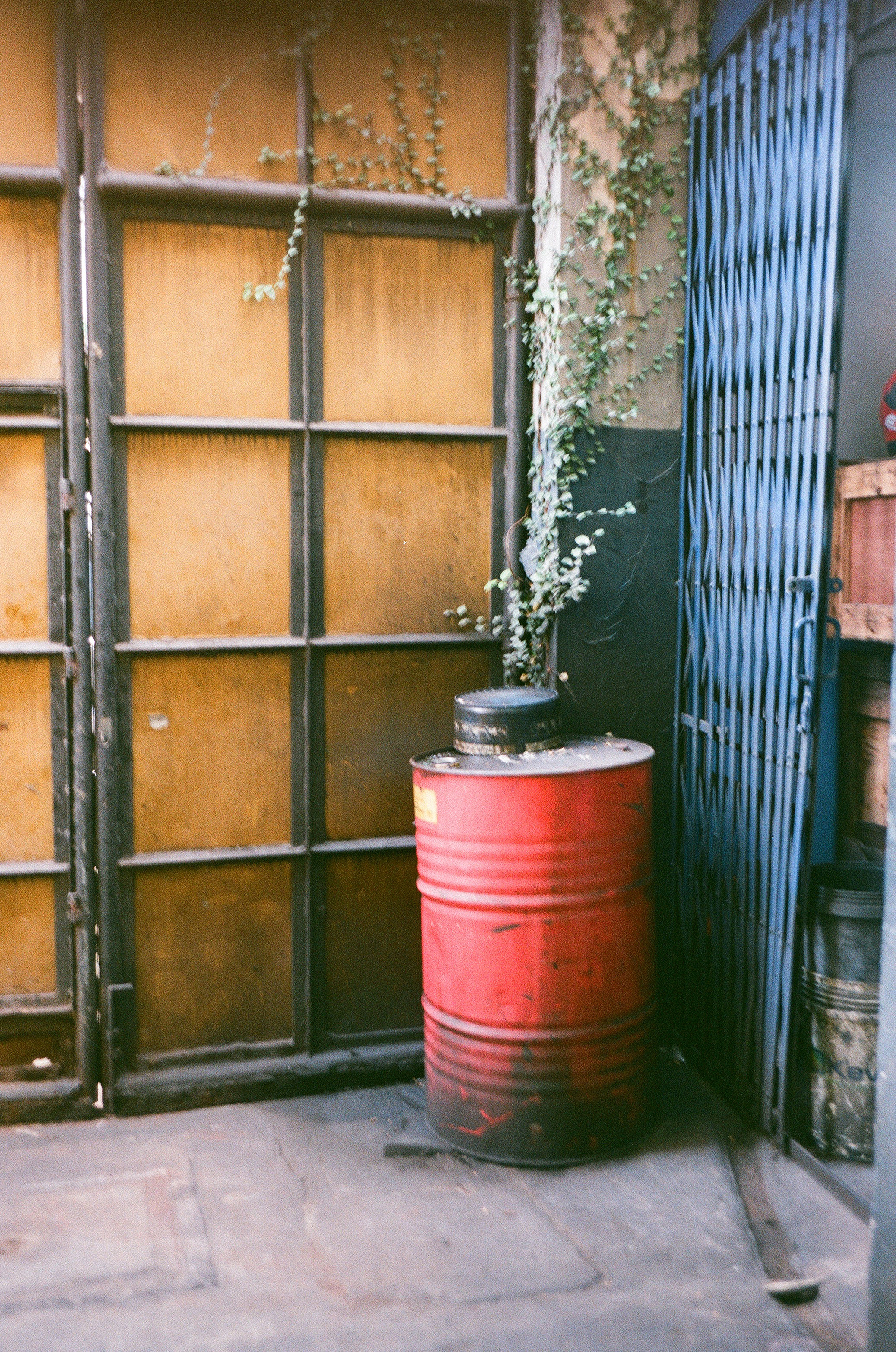
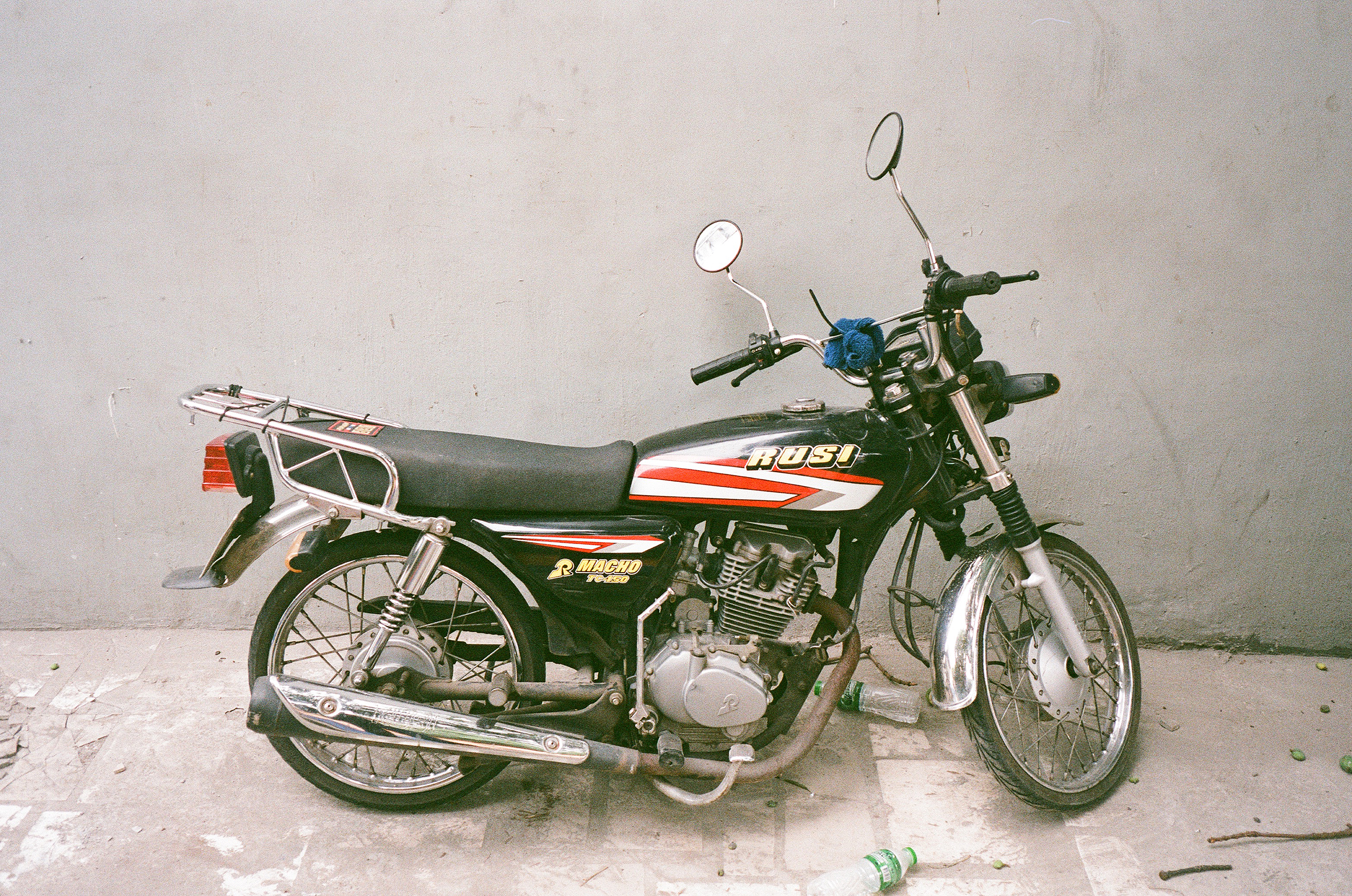
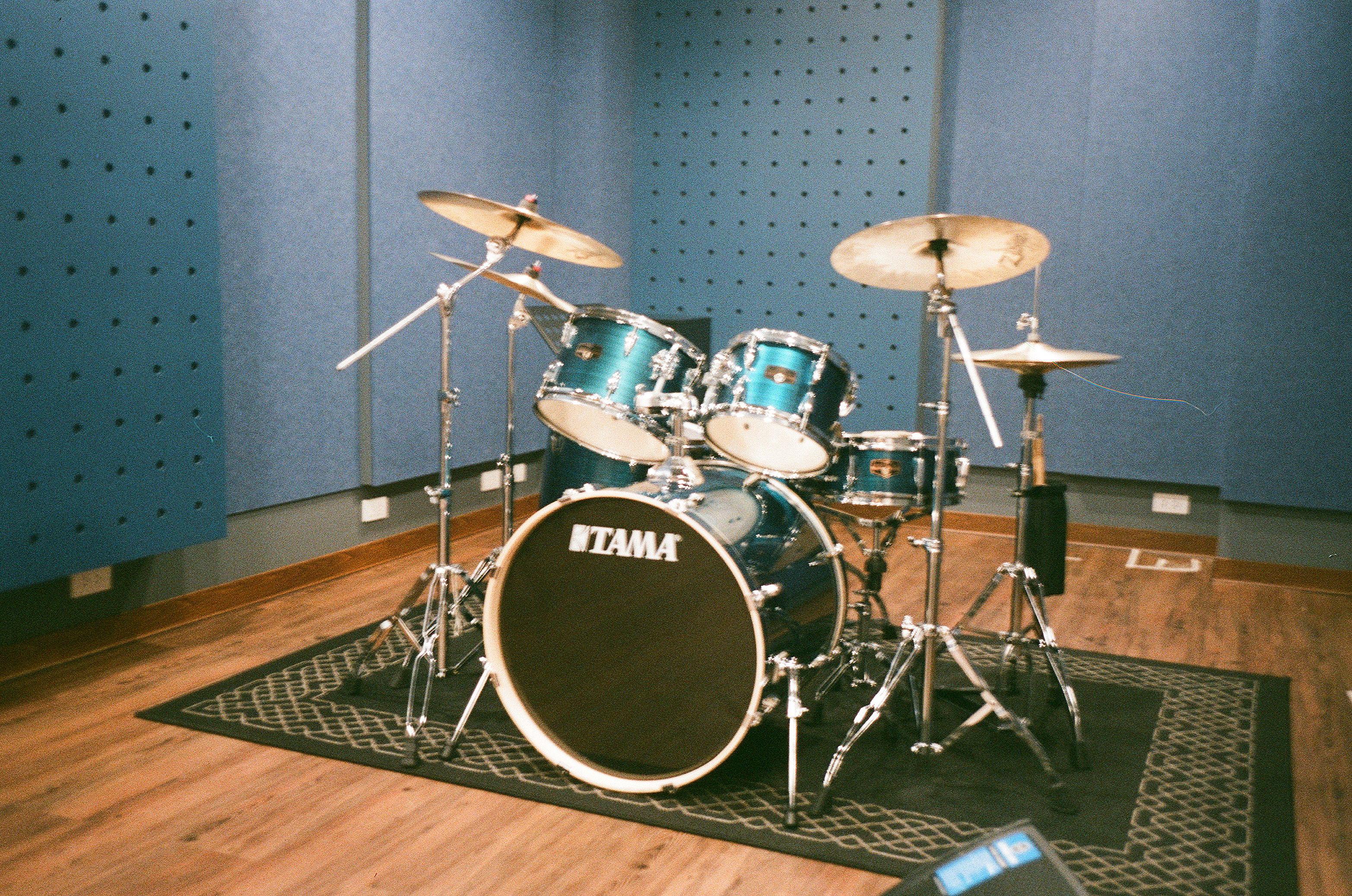
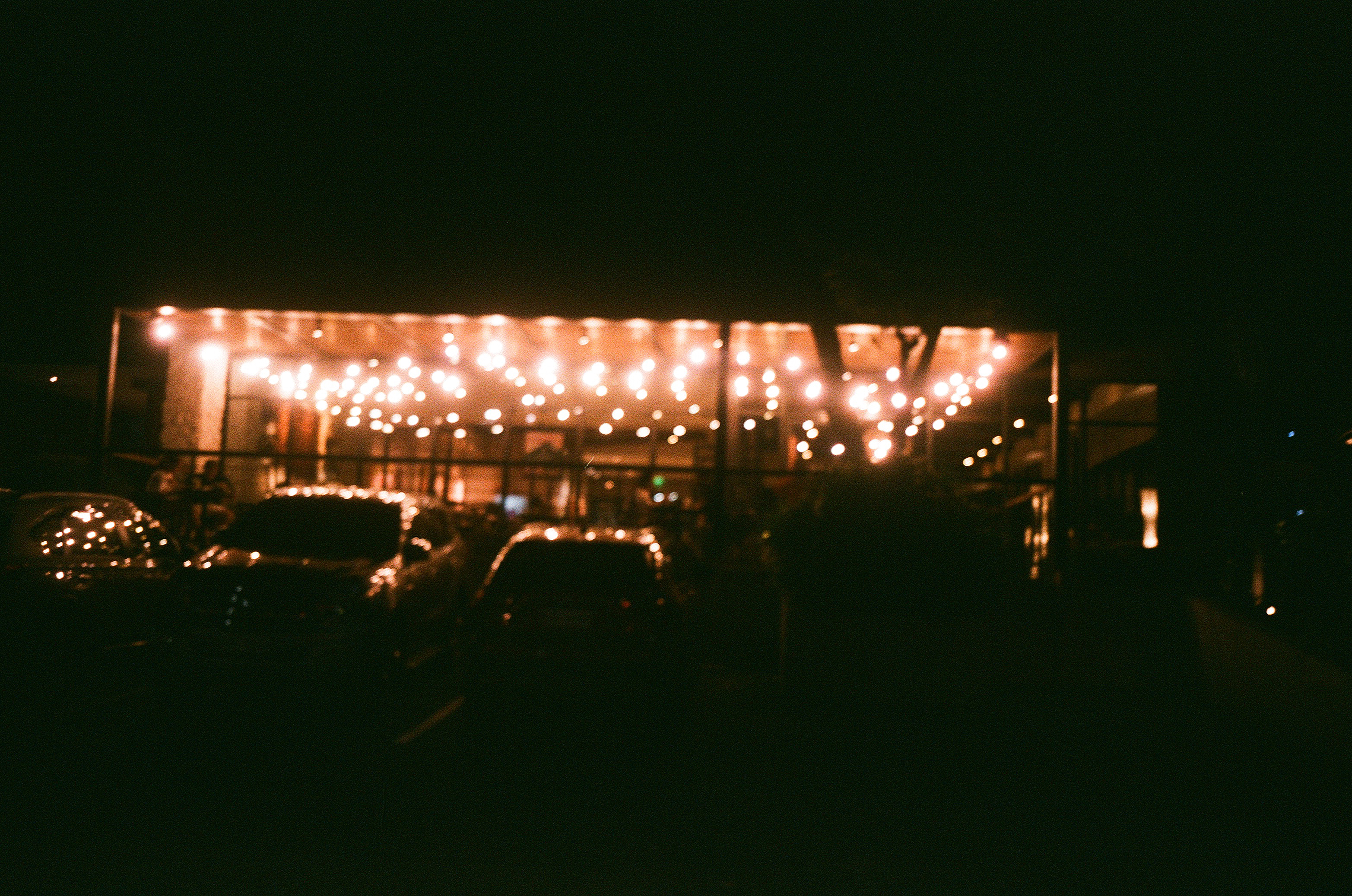
I recently loaded an expired roll of Fuji Superia Xtra 400 into my camera to conduct a series of test shots. Although the film was past its expiration date, I wanted to see how it would perform and whether the camera was functioning properly.
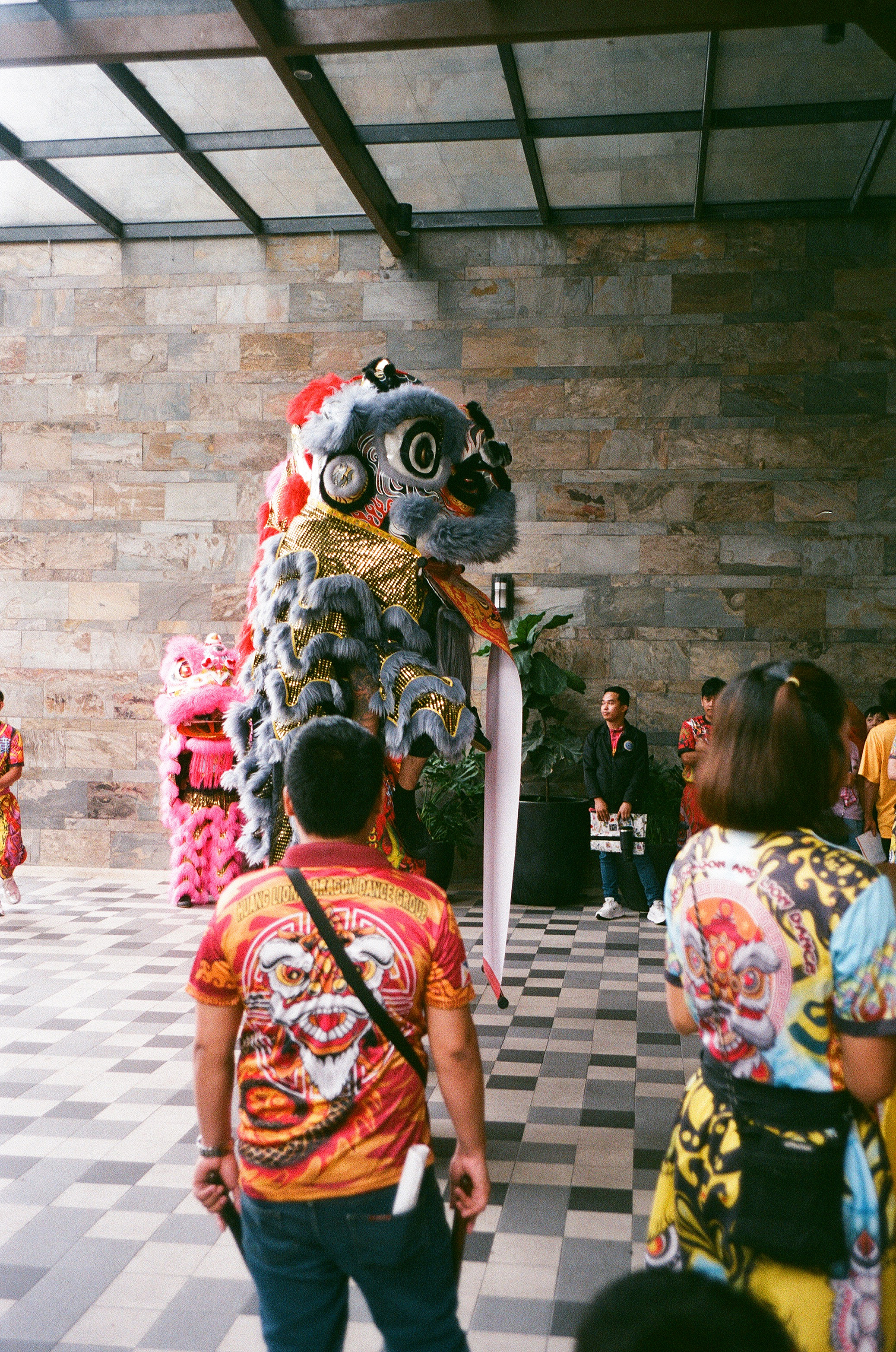
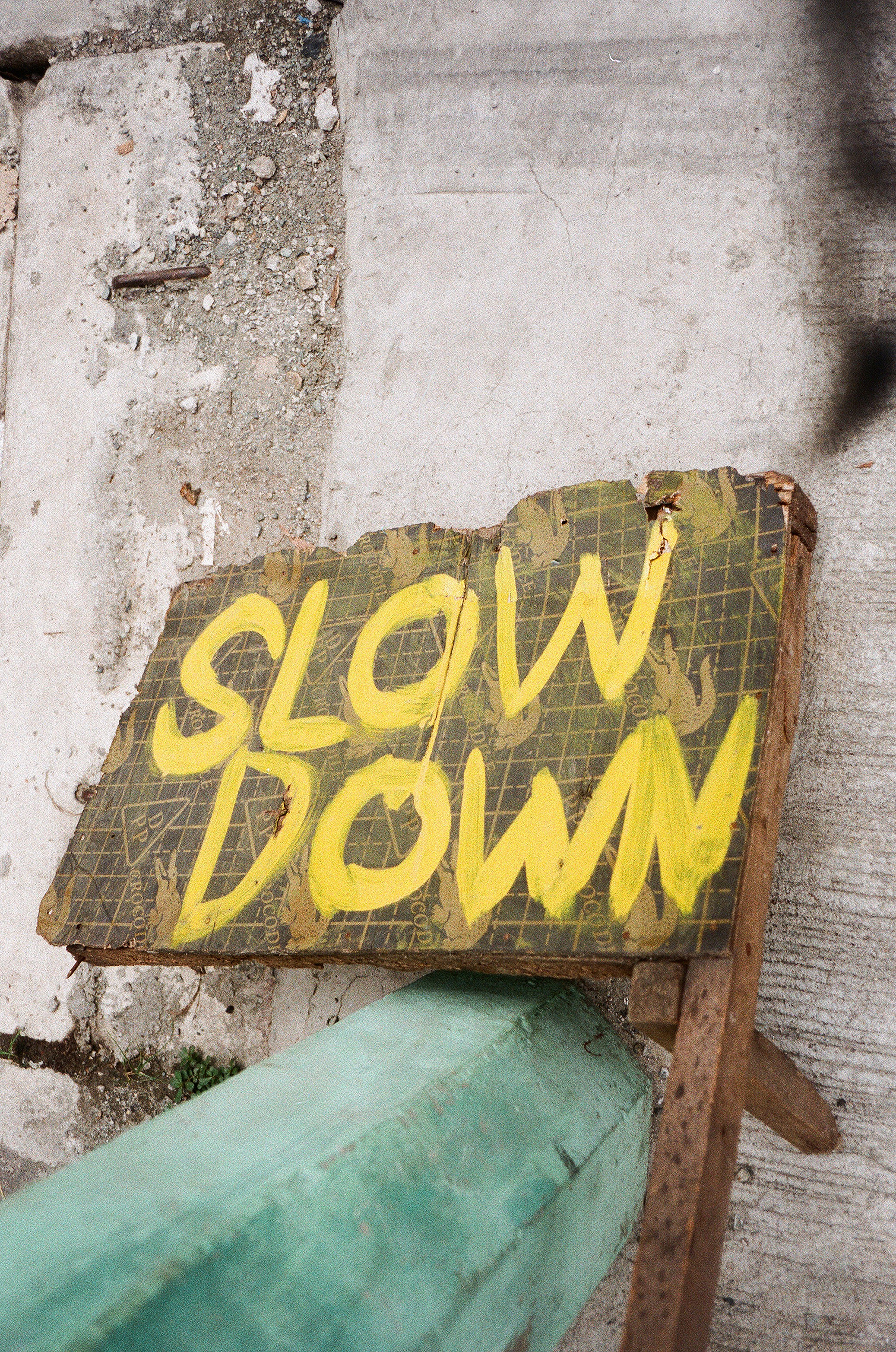
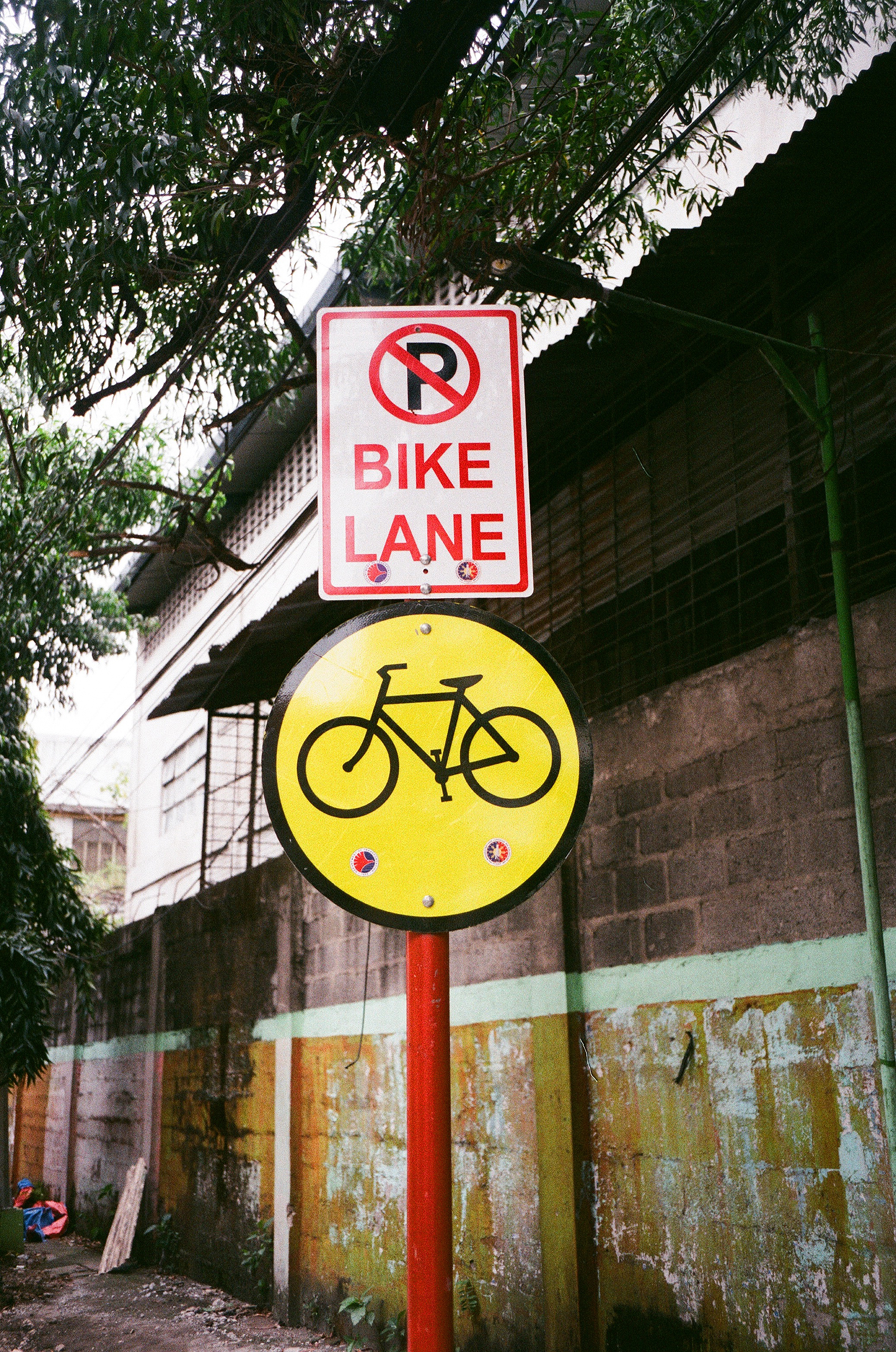
After taking several random photographs, I observed that everything appeared to be working as expected. The camera delivered pleasing results, with notable exposure, sharpness, and contrast from the lens. These qualities contributed to the overall look of the images, making them stand out despite the expired film.
Encouraged by these initial results, I am hopeful that my next roll will yield even better photographs. The experience has given me confidence in both the camera and lens, and I look forward to capturing improved shots in future sessions.


















Thank you for taking time out to check out my blog. Do like, follow and share. Drop me a comment or 2 (both positive and negative comments are welcomed) to help me improve. Thanks and God bless 🙂
 Daniel's Lighthouse